Speed is your product. Data is your edge.
In quick service, minutes matter. Ask Tilly what's selling, when the rush is coming and how to keep the line moving.
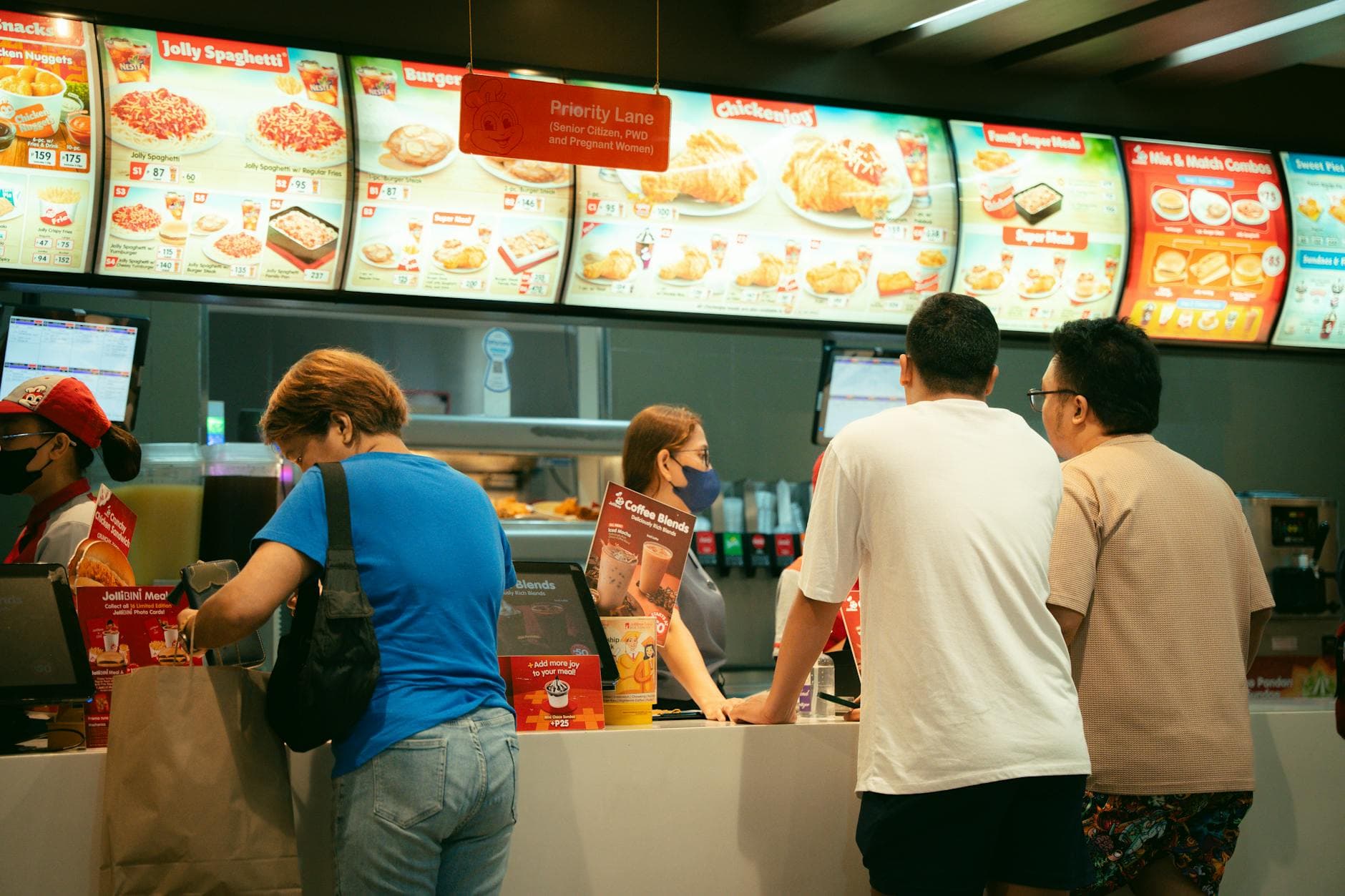
The challenge
Quick service runs on margins and seconds
Every menu decision, every shift and every promotion needs to land. Tilly gives you the velocity data to keep the line moving and the till ringing.
Review momentum
Know when ratings shift and which customer themes need attention.
Rush hour chaos
Lunch rush, dinner rush, unexpected surges. Prepare for peaks before they hit.
Menu velocity
Which items move fastest? What slows down the queue? Optimise for throughput.
Competition
Fast food is crowded. Know exactly how you compare to nearby options.
How Tilly helps
Throughput-first analytics for QSR
Peak prediction, item velocity and multi-location intelligence.
- 01
Ask Tilly anything
Ask about item velocity, peak hours or a slow day and get a straight answer from your live data.
- 02
Peak prediction
Know exactly when rushes will hit so you can prep food and staff the counter.
- 03
Item velocity tracking
See what sells fast, what sits and what combos drive ticket size up.
- 04
Location intelligence
Multi-location? Compare performance across stores and replicate what works.
Before and after Tilly
Before Tilly
✕Reviews slipping through the cracks with no one keeping track
✕Staffing the wrong hours because rush patterns are guesswork
✕High-margin items buried under weak performers
✕Multi-location data scattered across separate reports
With Tilly
✓Reviews tracked automatically with alerts when they dip
✓Accurate rush-hour predictions with staffing recommendations
✓Item velocity and margin data surfaced automatically
✓All locations compared side by side in one view
Frequently asked questions
Start free. No credit card needed.
Connect your POS and ask Tilly which hour of the week you are most understaffed. The answer is in your existing data.